

Direct Answer: Realistic Roof Repair Cost Ranges in Clearwater & Pinellas County
In Clearwater and Pinellas County, the average cost for a professional, code-compliant residential roof repair ranges from $350 for basic plumbing vent boot replacements to $2,800 or more for complex valley rebuilding, rotted decking replacement, and tile lift-and-relays. Most standard asphalt shingle leak repairs fall between $650 and $1,450, while tile and flat roof repairs typically range from $950 to $2,400 due to specialized underlayments, mortar packs, and heat-welded membranes.
Every property presents unique engineering variables. Florida Building Code (FBC 8th Edition) mandates stringent fastening, hurricane-rated underlayment, and strict permitting parameters. Below is an honest breakdown of real-world repair price tiers across our Pinellas County service area.
| Repair Type | Typical Price Range | Work Scope | Estimated Completion Time |
|---|---|---|---|
| Plumbing Pipe Boot Replacement | $325 – $550 | Remove split neoprene collar, install UV silicone lead boot, reshingle | 1 – 2 Hours |
| Chimney or Skylight Step Flashing | $750 – $1,650 | Tear off shingles, replace rotted kickout/step flashing, install ice & water barrier | 3 – 5 Hours |
| Rotted Decking Sheathing (per sheet) | $110 – $165 / sheet | Remove rotted 1/2in or 5/8in CDX/OSB plywood, install 8d ring-shank clips & nails | Add-on to leak repair |
| Roof Valley Leak Restoration | $950 – $2,100 | Extract shingles/tiles in 4ft valley swath, lay high-temp membrane, reset valley metal | 4 – 8 Hours |
| Concrete/Clay Tile Lift & Relay | $1,400 – $3,200 | Carefully lift sound tiles, scrape crumbly felt, apply peel-and-stick, re-mortar ridge | 1 – 2 Days |
| Low-Slope Flat Roof Ponding Patch | $850 – $2,200 | Install tapered polyiso crickets, prime substrate, heat-fuse 2-ply modified bitumen | 4 – 7 Hours |
Factor 1: Location and Nature of the Roof Leak
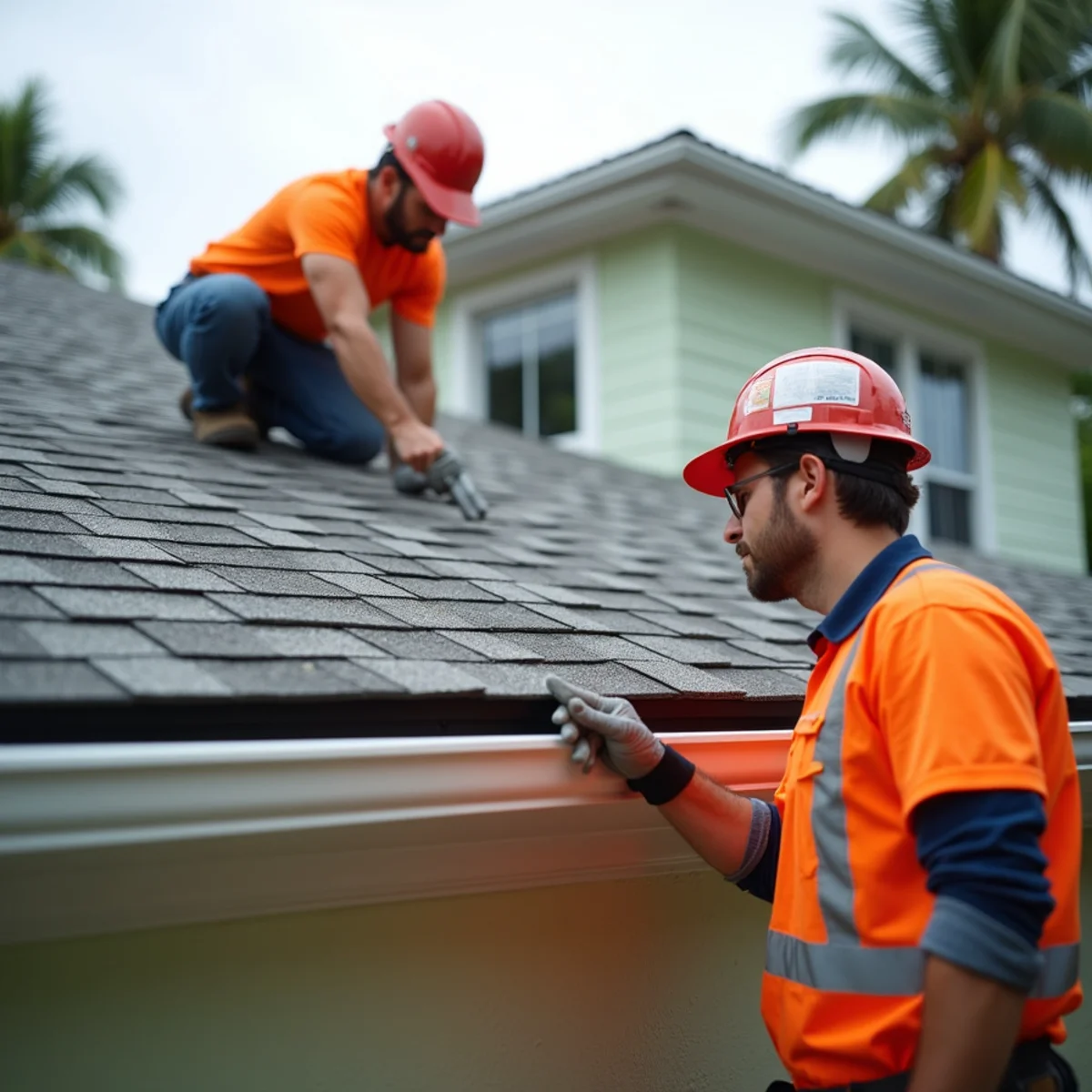
A leak isolated in the field of shingles—where a stray nail backed out or a single tree branch cracked a tab—is fast and straightforward to remedy. However, when leaks occur at vertical roof intersections, walls, dormers, chimneys, or valley troughs, repair complexity surges.
Flashings are the primary defense against driving Gulf rains. Rebuilding an integrated step-flashing run requires carefully prying up adjacent siding or stucco, removing degraded metal, applying self-adhering secondary water barriers, and fastening custom-bent corrosion-resistant aluminum or copper flashing before shingling.
Need Immediate Guidance on Your Clearwater Roof?
Speak with our local coordinator at (773) 207-0769. Open 24/7 with rapid Pinellas County response.
Factor 2: Wood Decking and Structural Rafter Damage
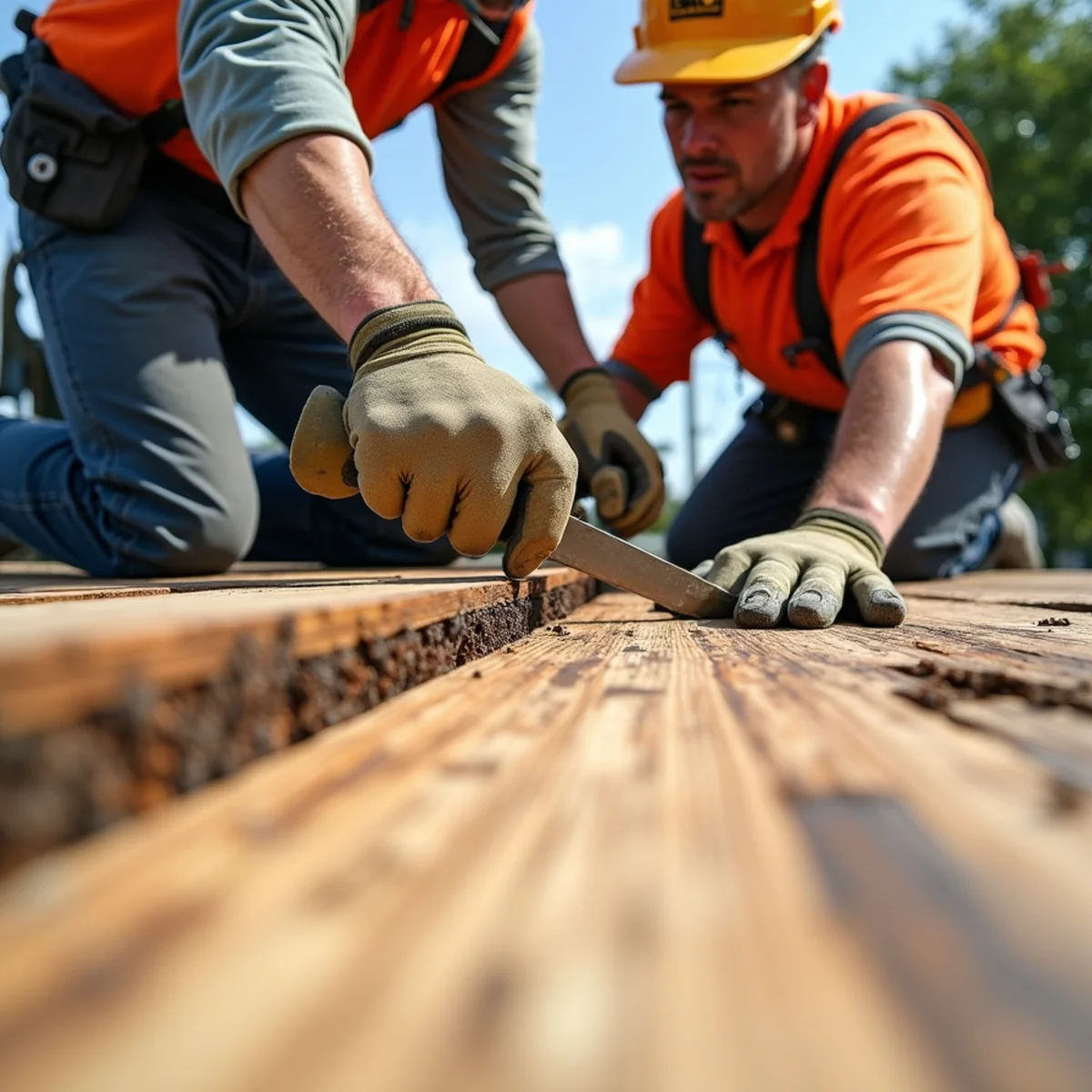
In Pinellas County's humid subtropical climate, water entering a roof breach doesn't just sit on plywood—it creates an incubator for wood-rot fungus and bacterial decay. When moisture penetrates roof felt, standard 1/2-inch CDX sheathing or oriented strand board (OSB) begins delaminating within weeks.
If an inspection reveals spongy sheathing, the rotted timber must be cut back to the center of adjacent 16-inch or 24-inch rafters, replaced with code-approved CDX sheathing, and fastened with 8d ring-shank nails spaced at 6 inches on edges. If rot has infected structural rafter tails, sistering new southern yellow pine lumber is required, which adds to total labor costs.
Factor 3: Roofing Material Type (Shingle vs. Tile vs. Flat)
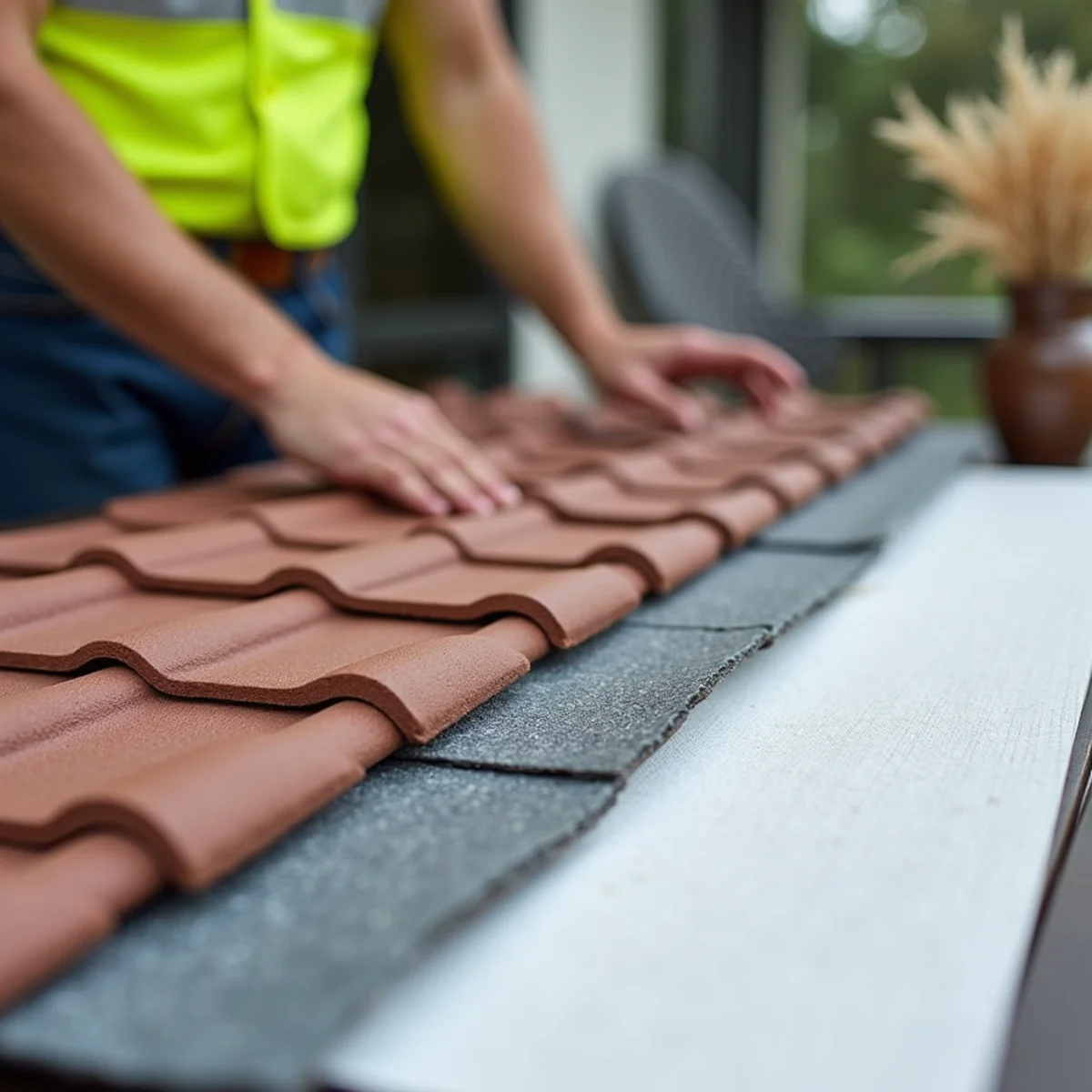
Material choice dictates repair methodologies, skill levels, and material expenses. Architectural asphalt shingles are the most affordable and fastest to repair. Modern dimensional shingles can often be matched and woven into existing roof planes cleanly.
In contrast, concrete and Spanish clay tile systems require extreme care to avoid breaking surrounding brittle tiles while walking on the roof. Sourcing discontinued tile profiles often requires scouring specialty architectural boneyards. For low-slope flat roofs over Florida rooms or carports, contractors must use commercial hot-air welders or torch-applied modified bitumen systems to achieve seamless waterproofing.
Factor 4: Roof Pitch, Height, and Steep-Slope OSHA Safety Rigging
A single-story 4:12 ranch roof in Largo or Safety Harbor allows crews to work efficiently with minimal scaffolding. Conversely, a two- or three-story waterfront home with a steep 8:12 or 10:12 pitch requires OSHA-mandated roof anchors, safety harnesses, rope grabs, and specialized ladder brackets.
Staging safety gear and navigating steep slopes doubles the labor time required for any given repair task, which is reflected in the final project estimate.

Permitting Rules: When Does a Clearwater Repair Require a Municipal Permit?
Pinellas County and the City of Clearwater Building Department enforce strict thresholds under the Florida Existing Building Code. Minor emergency repairs involving less than 100 square feet (one roofing 'square') of covering generally do not require a formal building permit.
However, if the repair involves structural decking replacement exceeding 100 square feet, or if more than 25% of a roof section is being altered, a permit must be pulled by a licensed Florida roofing contractor, followed by municipal rough-in and final dry-in inspections. Choosing a licensed contractor guarantees all work complies with local wind-load engineering standards.